






Intracerebral Hemorrhage(stroke)
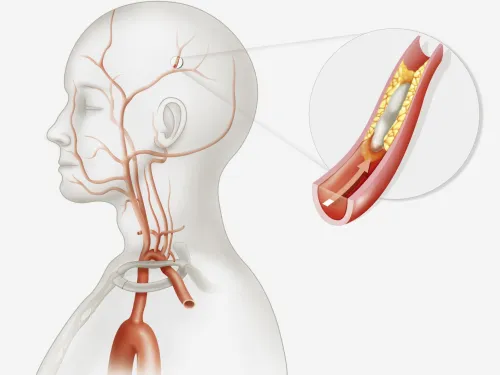
A kind of stroke caused due to bleeding inside the brain tissue is called intracerebral hemorrhage. Usually, stroke occurs when the brain is deprived of oxygen due to an interruption of its blood supply. The main causes for intracerebral hemorrhage are hypertension,arteriovenous malformations or head trauma.
How it occurs?
Due to high blood pressure or hypertension, the walled arteries break and blood spreads into the brain tissue. These blood forms a clot which is known as hematoma. The hematoma grows slowly and causes pressure on the surrounding brain tissue. This pressure makes a person experience tension and lethargic. When the blood spill into the brain, the area that artery supplied will lack oxygen and rich blood. This condition is called stroke. The surface or in deep areas of the brain is the main platform where intracerebral hemorrhage takes place.The symptoms of intracerebral hemorrhage is sudden which requires immediate action. The symptom may alter according to the location of the bleed.
Subarachnoid Hemorrhage
Bleeding in the area between the brain and the tissue that cover the brain (subarachnoid space) is called subarachnoid hemorrhage. The condition causes the patient to feel a sudden and worst headache. Subarachnoid hemorrhage can be caused by different reasons such as:
- Bleeding from an arteriovenous malformation
- Bleeding from a cerebral aneurysm
- Use of blood thinners
- Head injury and
- Unknown causes