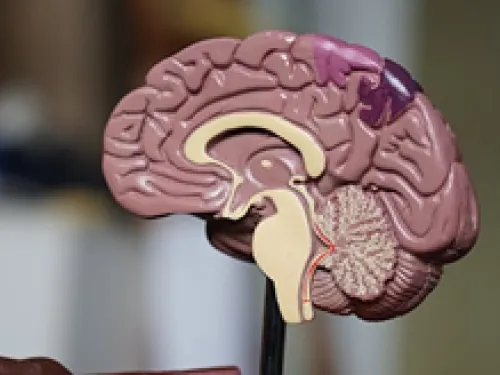






Brain Tumor

While weight loss is often discussed in terms of aesthetics and cardiovascular health, its implications for neurological well-being are equally significant. As brain and spine specialists, understanding the relationship between body fat and neurological health can enhance patient care and outcomes. Rapid weight loss can have adverse effects on neurological health, including nutrient deficiencies and electrolyte imbalances that may exacerbate neurological symptoms. Therefore, a gradual approach to fat loss is recommended.

Show More
Introduction

A brain tumor is a collection, or mass, of abnormal cells in the brain. The cell grows into a tumor when a cell divides rapidly and its internal mechanism is damaged. A brain tumor can be primary or secondary depending upon its place of origin. A primary brain tumor begins in the brain while a secondary tumor starts elsewhere in the body and sends cancerous cells to the brain, causing secondary or metastatic brain tumor. Brain tumors can be either malignant (with cancer cells) or benign (without cancer cells).

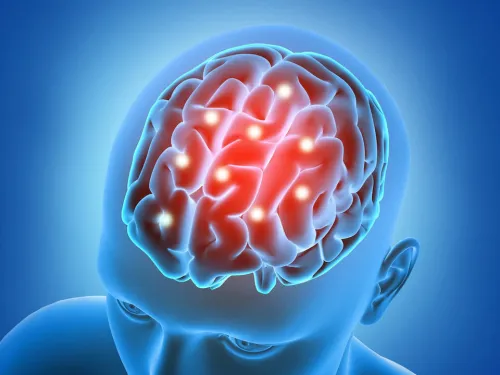
Brain Tumor

Excess body fat, particularly visceral fat, is not merely an inert energy reserve. It actively secretes pro-inflammatory cytokines and adipokines, contributing to systemic inflammation. Chronic inflammation is a known risk factor for various neurological conditions, including:​

  • Cerebrovascular Diseases: Elevated body fat increases the risk of stroke and transient ischemic attacks.​
  • Neurodegenerative Disorders: Obesity is associated with a higher incidence of Alzheimer's disease and other forms of dementia.​
  • Spinal Degeneration: Excess weight can accelerate degenerative changes in the spine, leading to conditions like lumbar disc herniation and spinal stenosis.

Rapid weight loss can have adverse effects on neurological health, including nutrient deficiencies and electrolyte imbalances that may exacerbate neurological symptoms. Therefore, a gradual approach to fat loss is recommended.

Causes

According to the Centers for Disease Control and Prevention (CDC), a safe and sustainable weight loss rate is 1–2 pounds per week, translating to approximately 4–8 pounds per month . This gradual reduction minimizes the risk of muscle loss and nutritional deficiencies, preserving neurological function.

Body fat plays a significant role in neurological health, influencing the risk and progression of various brain and spine conditions. By advocating for safe and gradual fat loss, brain and spine specialists can contribute to improved neurological outcomes and overall patient well-being.

Symptoms

A brain tumor is a collection, or mass, of abnormal cells in the brain. The cell grows into a tumor when a cell divides rapidly and its internal mechanism is damaged. A brain tumor can be primary or secondary depending upon its place of origin. A primary brain tumor begins in the brain while a secondary tumor starts elsewhere in the body and sends cancerous cells to the brain, causing secondary or metastatic brain tumor. Brain tumors can be either malignant (with cancer cells) or benign (without cancer cells).

Vomiting.
Sudden weakness of parts of the body.
Sudden onset of numbness.
Seizures
Temp loss of vision

Treatments

Diagnosis of the type of tumor by taking a sample of the tumor for laboratory examination
Complete resection of tumor
Removal of the tumor as much as possible to slow down its growth and improve the symptoms.
Remove the tumor in order to help other treatments
Provide direct access for other forms of treatment like chemotherapy, radiotherapy etc.
To relieve pressure caused by tumor on surrounding structures.
surgery
Share this post

Do not find what you're looking for?

Our specialists are here to help. Get expert answers tailored to your condition—no waiting, no guesswork